Quick Details
-
Regions: United States
-
Class Type: Professional Certification Class (Levels 1 and 2)
- Other wine industry certification (click here)
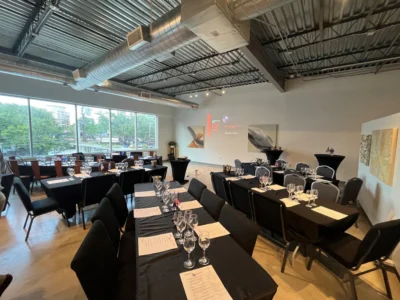
In the Level 1 class, Students will receive a copy of Dr. Russ Kane’s book, “The Wineslinger Chronicles: Texas on the Vine”, that was made part of The Grover E. Murray Culture in the American Southwest book series. The class will also feature guest presenters actively involved in Texas wineries.

The program exposes students to unique landscapes of the major wine regions in Texas: Texas High Plains, Texas Hill Country, Texoma, Escondido Valley, and Davis Mountains AVAs, as well as new-AVAs and non-AVA regions of East Texas and Gulf Coast. This learning and tasting intensive program features important topics critical to the success of today’s wine professionals and savvy consumers that are looking for the best wines and wine values that Texas has to offer.
This Level 1 course will cover:
- Details of each wine region, including location, geologic history, soils, climate and leading grape varieties grown in the region
- The evolution of Texas winemaking from its early Spanish and immigrant European period (1600-1800) and early post-Prohibition (1940-1990) and modern period (1990-present), with a focus on winemaking techniques and grape varieties
- The links and contrasts between Texas wines and their old & new world counterparts through lectures and guided and blind tastings with benchmark wines.
Classes will feature representatives selected from the Texas wine industry’s grape growing, winemaking or winery owner communities in Texas that will be available to provide first-hand knowledge, Q&A, and guided tasting. Tastings will include a range of grape varieties and blends originating from northern Europe (France & Germany), Mediterranean (Italy, S. France, Spain, Portugal) and hybrid wines from Texas and other American appellations. These tastings will help students understand the distinctions of wines from selected Texas regions and grape varieties and their attributes versus their counterparts in the American and global wine world.
The program concludes with an opportunity to test your knowledge of the wines, regions, and laws on an exam. The credential will be awarded to those that pass the rigorous exam at the end of the series with a score of 80% or higher.
The three Level 1 lectures are usually given over two to three classes (either in-person or via Zoom) depending on the class venue and dates indicated.
Level 1 Register
Level 2 Advanced Course Description
The Specialist of Texas Wine program has been expanded to include the Specialist of Texas Wine Level 2 (Advanced Course).
The Advanced Course builds upon the foundation established in Level 1, offering more in-depth exploration of Texas wine regions, their unique characteristics, and diverse wine styles. However, the Level 1 class is not a required to take this class.
Developed by Dr. Russ Kane, the longest-tenured Texas wine writer who has chronicled the modern Texas wine industry’s evolution, this course benefits from his extensive knowledge and experience. Dr. Kane is an award-winning writer, author, and the creator of the Vintage Texas blog. He has served on the boards of the Texas Wine and Grape Growers Association, receiving their Wine Media Award in 2009 and 2013, and The Wine Society of Texas, where he was also Executive Director.
The course is currently taught by Denise Clarke, a wine educator based in Austin, Texas, who also teaches WSET Level 1 courses through the Texas Wine School. Denise has over 15 years of experience studying, writing about, and sharing wine knowledge, with a particular focus on the Texas wine industry. She holds several wine certifications, including Certified Wine Educator, Certified Sommelier, WSET Level 3, and Specialist of Texas Wine Advanced. She has received the Bunny Becker and Media Awards from TWGGA. As one of Texas’s top wine ambassadors, she is dedicated to educating and inspiring the next generation of Texas wine enthusiasts.

Enrolled students will receive a copy of “Starting a Vineyard in Texas,” a primer by Jim Kamas, a Texas A&M Agrilife Viticulture Specialist with extensive experience in grape and fruit growing in Texas.
LEVEL 2 COURSE HIGHLIGHTS
This course covers:
- The course explores the unique landscapes of Texas’s eight wine regions: Texas High Plains, Texas Hill Country (including its sub-AVAs Bell Mountain and Fredericksburg in the Texas Hill Country), Texoma, Escondido Valley, and Davis Mountains AVAs, as well as non-AVA regions like East Texas and the Gulf Coast. It also discusses proposals for new AVAs in Texas.
- The Advanced Course contextualizes Texas as a warm growing region, similar to renowned wine regions in Spain, France, Italy, and Australia, but with the added complexity of sporadic chilling cold in spring, fall, and winter. The impact of these conditions on Texas winegrowing and winemaking will be thoroughly examined.
- A detailed timeline of Texas’s transition from its early wine culture to a modern wine industry, including the pivotal role of T.V. Munson in saving European vineyards from the Phylloxera scourge and his enduring influence on global rootstock selections with Texas native grape varieties. Munson’s work with native grapevines continues to inspire new approaches to combating vineyard diseases through vinifera-native hybrids.
- An in-depth exploration of Texas’s wine regions, examining the origins of their soils, climatic conditions (such as temperatures, typical weather events, and precipitation), the potential impacts of global warming, and ongoing challenges facing the wine industry, including issues related to herbicides.
- A comprehensive analysis of the factors distinguishing warm growing regions like Texas from cooler regions, focusing on critical differences in varietal and blend selections, winemaker decisions, and wine styles.
- A look at today’s trends and future opportunities facing the Texas wine industry.
- Guidance on starting a vineyard in Texas and considerations for opening and operating a Texas winery, including varietal selection, natural hazards, and economic analyses.
- Discussions with guest speakers including winemakers and growers.
- Tasting of six award-winning Texas wines.
- An open-book final exam where a 70% or higher score is required to pass.