
History of Georgia (USA) Wine – 1733 to the Present
The story of Georgia wine started with England’s colonial mandate and evolved through a period as a top national producer before being nearly dismantled by early prohibition. However, the rebirth of the Georgia State wine industry is at hand.

Colonial and 19th Century Origins
- Trustee Garden (1733): When James Oglethorpe founded Georgia, he established a “Trustee Garden” in Savannah to experiment with silk, olives, and wine grapes to make the colony profitable for England. Early attempts to grow European Vitis vinifera grape varieties in the southern and coastal areas failed due to humidity and disease.
- Rise of Native Varieties: In the mid-1800s, farmers shifted to native vine species like Muscadine (Vitis rotundifolia). Key figures like Thomas McCall produced significant quantities by 1826, proving the state’s potential.
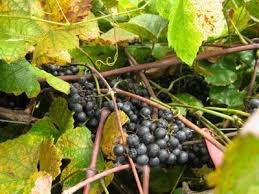
- National Awareness (1890s): By 1900, Georgia was the sixth-largest wine producing state in the U.S. This peak was largely driven by a Hungarian immigrant community in Haralson County, which planted over 2,000 acres of vineyards.

Prohibition and Decimation
Like in all of the United States, National Prohibition Decimated the wine industry, but it actually started earlier than that in Georgia.
- Early State Prohibition (1907): In Georgia, the temperance movement lead to the enactment of statewide prohibition in 1907—thirteen years before the national mandate in 1919, effectively destroying its commercial industry.
- An Industry in Stagnation (1908–1980): In Georgia, most vineyards were uprooted or repurposed for other agricultural or commercial ventures. At the end of Prohibition, Georgia’s commercial winemaking restarted in 1935 with the Monarch Wine Company, however it focused on fruit and peach wines rather than using traditional wine grapes.

Modern Wine Renaissance (1980s–Present)
- Founding Modern Wineries: The industry began its modern recovery in the early 1980s with the establishment of Habersham Winery (1983) and Château Élan (1984 – that now focuses on American and Muscadine wines).
- AVA Designations: In 2014, the multi-state Upper Hiwassee Highlands AVA (shared with South Carolina) became Georgia’s first American Viticultural Area (AVA). This was followed in 2018 by the Dahlonega Plateau AVA, recognized for its ideal conditions for both European Vitis vinifera and French-hybrid grapes.
- Current Industry: As of 2026, Georgia hosts over 60 wineries (click here). The industry is split geographically: North Georgia focuses on Vitis vinifera and hybrids, while South Georgia remains a leader in Muscadine production.
- The leading hybrid varieties being planted in Georgia include Blanc du Bois, Lenoir and Norton. Other hybrid grape varieties of interest include the French-American hybrids Vidal Blanc, Villard Blanc, Seyval Blanc and Chambourcin, and the T.V. Munsion hybrid Lomanto.

- The leading Vitis vinifera (European) wine grapes planted in Georgia include Cabernet Sauvignon, Merlot, Petit Verdot, Petit Manseng, Chardonnay, and Pinot Gris with Tannat, Viognier, Roussanne and others gaining recently.
With the current industry trends for drinking more local wine and wines are being made just an hour and a half north of Atlanta, the Georgia State wine industry is poised for growth. More information on wine production in Georgia is available at: https://winebusinessanalytics.com/sections/printout_article.cfm?content=161458&article=feature



Be the first to comment